What Proper Whitening Treatment Requires
The whitening session begins with a baseline shade assessment using a standardized color guide, which establishes your starting point and helps set expectations for the final result. Your gum line is protected with a barrier material before the whitening gel is applied, ensuring that only enamel is exposed to the active peroxide compounds. The gel remains on your teeth for timed intervals, often activated by a specialized light that accelerates the breakdown of stain molecules.
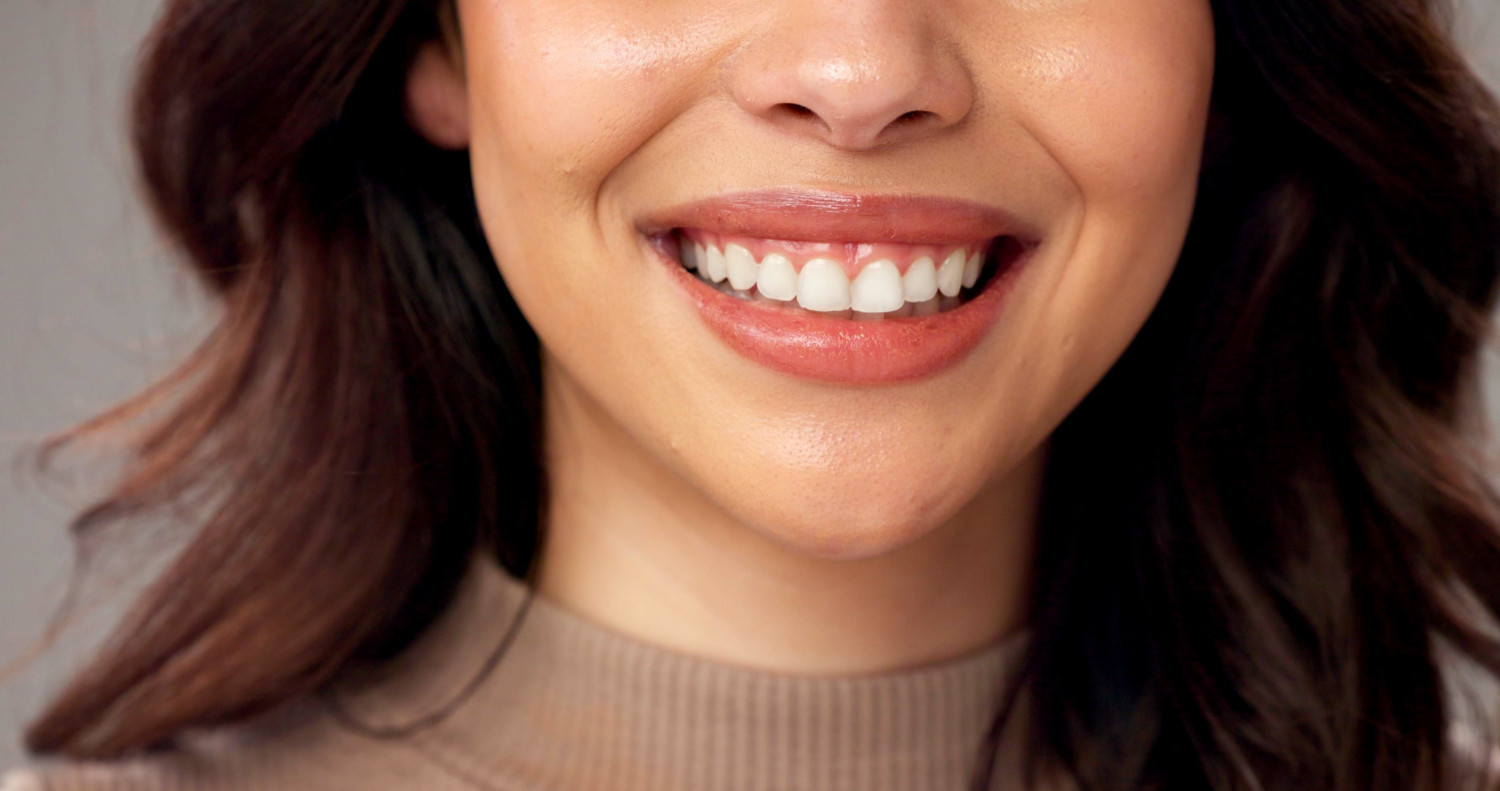
After treatment, you'll notice that your teeth appear several shades lighter, with a more even tone across the visible surfaces when you smile or speak. Stains from tannins in coffee or tea become significantly less noticeable, and the overall brightness improves in a way that looks natural rather than artificially stark. Most clients see results that last several months, though longevity depends on dietary habits and oral hygiene routines.
The service does not alter the color of existing dental work such as crowns or veneers, which means those restorations may need adjustment if you want them to match your newly whitened natural teeth. Additionally, whitening works best on extrinsic stains caused by food and drink, while intrinsic discoloration from medication or trauma may require alternative cosmetic approaches.
Questions Before Your Whitening Appointment
Clients in Ellsworth often ask about timing, sensitivity, and how long results typically last before scheduling their first session.
- How long does a whitening session take? Most appointments last between 60 and 90 minutes, including preparation, application time, and post-treatment review of your new shade.
- What causes sensitivity during whitening treatments? Sensitivity occurs when peroxide temporarily penetrates enamel tubules and reaches the dentin layer, which contains nerve endings. Professional application minimizes this by controlling gel concentration and exposure time.
- When should I avoid whitening? You should postpone treatment if you have untreated cavities, gum disease, or recent dental surgery, as the whitening agents can irritate compromised tissue.
- Why do results vary between clients? Enamel thickness, the type of staining present, and natural tooth color all influence how much lighter your teeth become. Yellow-toned stains respond better than gray-toned discoloration.
- How often can whitening be repeated safely? In Ellsworth's climate, where seasonal dietary shifts can affect staining patterns, most clients return every six to twelve months, though enamel health should be evaluated before each session.
Kalon Spa Services works with clients who want noticeable improvement without the guesswork of at-home kits that deliver inconsistent coverage. Book a shade consultation to determine whether whitening will address your specific discoloration pattern and what level of brightness is achievable with your enamel type.